Looking for the perfect getaway without overpaying? This season is packed with exclusive travel deals that combine luxury, savings, and unforgettable experiences. Whether you’re dreaming of Miami vibes, California elegance, or Cancun paradise, here are the top offers you don’t want to miss 👇


🌊 Miami Beach Luxury: 4th Night FREE

https://cf.bstatic.com/xdata/images/hotel/max300/781606970.jpg?k=4afd7eafd7e6c7db76c0978299d6306c6e2d0aaccfa5b863fb535ac69d6801fc&o=
https://cf.bstatic.com/xdata/images/hotel/max1024x768/781606970.jpg?k=4afd7eafd7e6c7db76c0978299d6306c6e2d0aaccfa5b863fb535ac69d6801fc&o=
https://media-cdn.tripadvisor.com/media/photo-s/2e/60/40/7b/rooftop-pool.jpg

Enjoy a glamorous escape at Delano Miami Beach with an unbeatable deal:

Stay 4 nights, pay only 3
📅 Booking Window: Now – May 30, 2026
🧳 Travel Dates: July 20 – November 26, 2026

This is perfect if you want:

  • Beachfront luxury 🌴
  • Trendy nightlife & dining 🍸
  • Iconic Miami vibes 🌆

👉 Pro tip: Extend your stay and maximize savings while enjoying premium comfort.


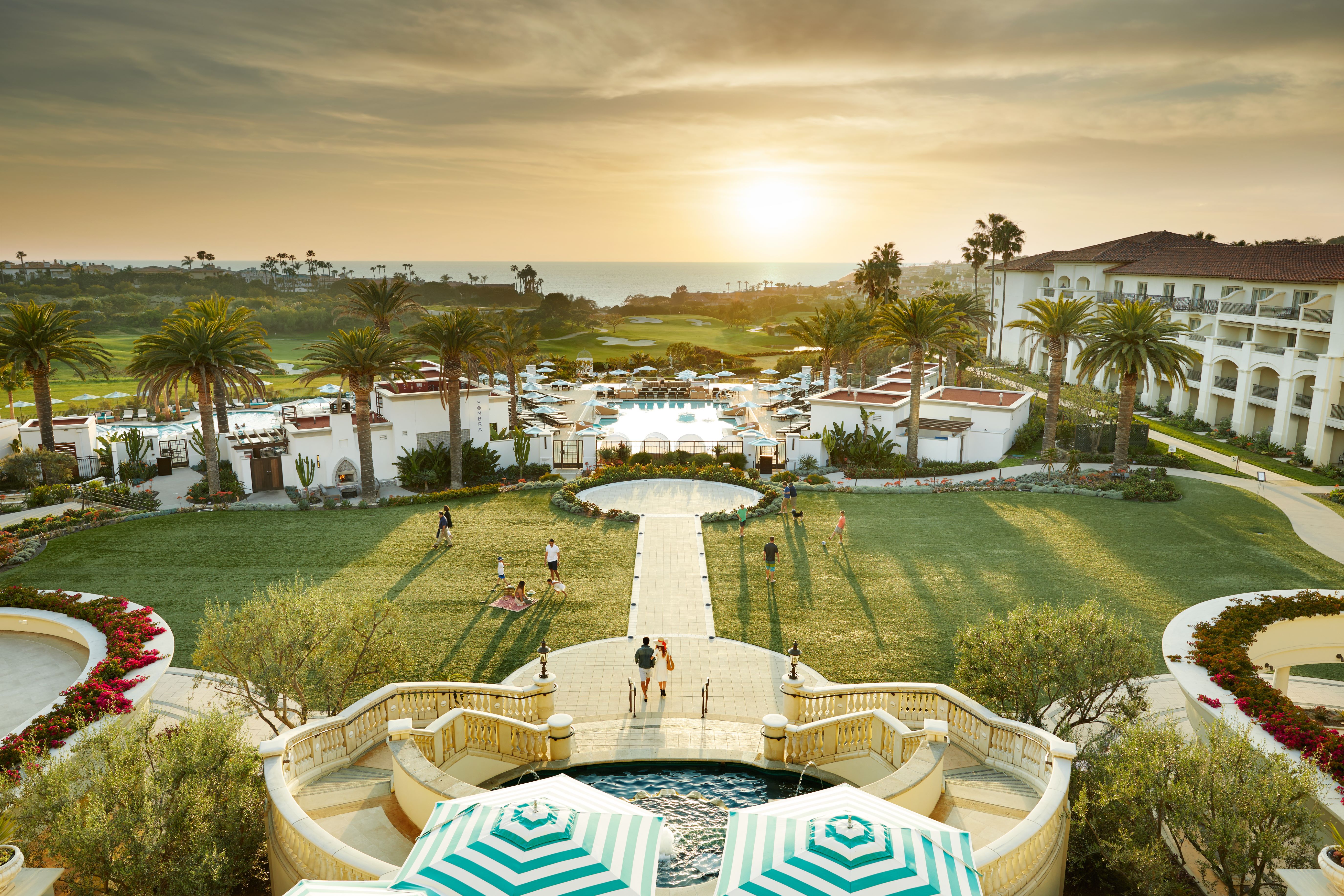
🌅 California Coastal Elegance: 25% OFF

https://d38hreqg3edp42.cloudfront.net/waldorfastoriamonarchbeach.com-1839513270/cms/cache/v2/623cb48fd0d10.jpg/1920x864/fit%3Bc%3A0%2C1082%2C5000%2C3332/80/41850deb12a4507be0cc946df5036c09.jpg
https://d38hreqg3edp42.cloudfront.net/waldorfastoriamonarchbeach.com-922720774/cms/imagepool/5f90e42cd7f87.jpg
https://cdn.kiwicollection.com/media/property/PR240919/xl/240919-06-WA-Monarch-Beach-Pool-Aerial--WA%20Monarch%20Beach.jpg?cb=1610649640

Experience refined luxury at Waldorf Astoria Monarch Beach Resort & Club:

💰 Save 25% on your stay
📅 Booking Window: Now – July 31, 2026
🧳 Travel Dates: Until December 20, 2026

Ideal for:

  • Romantic getaways 💕
  • Golf & spa retreats ⛳
  • Premium coastal relaxation 🌊

👉 Limited-time offer — perfect for travelers who want luxury at a better price.


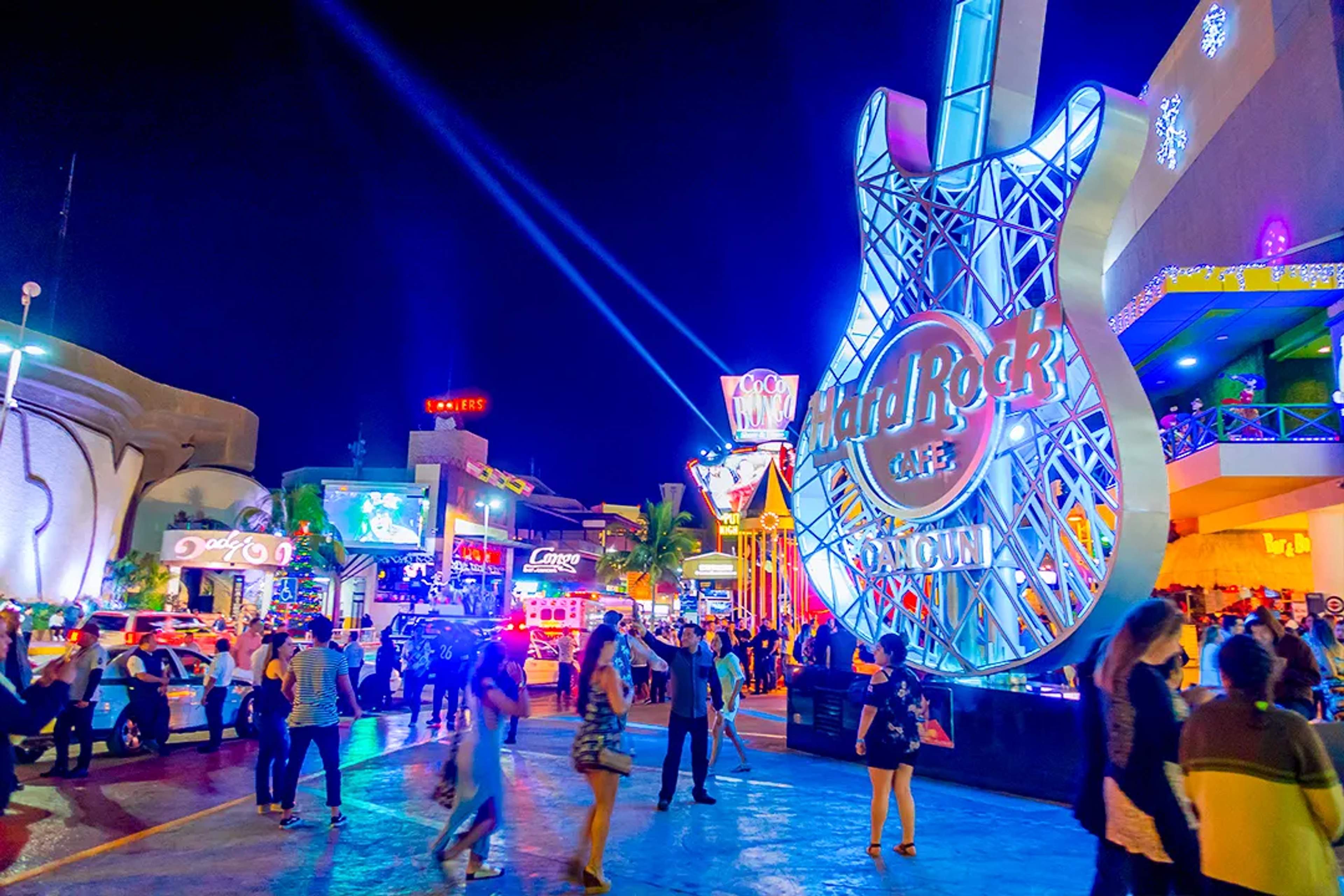
🌴 Cancun All-Inclusive Escape from $338 USD

https://content.r9cdn.net/rimg/himg/29/f1/9c/expedia_group-36452-180076149-522175.jpg?crop=true&height=630&width=1200
https://marriott.cdn.tambourine.com/royalton-resorts/media/splash-park-1-64f0d1cd9f8b2.jpg
https://cdn.sanity.io/images/atvntylo/production/74111a96a4b30b9c19b73a1833dc06ba6903b792-1080x720.webp?auto=format&fit=clip&q=65&w=3840

Discover the magic of Cancun with all-inclusive packages starting at:

💵 From $338 USD
📅 Book before: May 31st

Includes:

  • 🏨 Luxury beachfront resorts
  • 🍹 All meals & drinks
  • 🎉 Tours & excursions

Perfect for:

  • Friends trips 🧑‍🤝‍🧑
  • Family vacations 👨‍👩‍👧‍👦
  • Stress-free all-inclusive experiences 😎

✈️ Why Book These Deals Now?

These offers are seasonal and limited, which means:

  • Prices can increase anytime 📈
  • Availability fills fast ⏳
  • Best rooms go first 🏨

Booking early = better rates + more options


🤝 Let Me Help You Plan It All

As your Travel Advisor, I can help you:

  • Find the best rooms & rates 💼
  • Customize your itinerary 🗺️
  • Handle everything stress-free 🙌

📲 WhatsApp: +52 5561028075
📲 USA: +1 786 381 7491


🌍 Ready to Escape?

Whether you want Miami luxury, California elegance, or Cancun fun, these deals are your chance to travel smarter and better.

Please enter your first name.
This field is required.
Please enter your last name.
This field is required.
Please provide details about your trip.
This field is required.
Enter the number of persons traveling.
This field is required.
Preferred Options
Select your preferred options for the trip.
This field is required.

In today’s digital world, booking a trip might seem as simple as opening a few tabs and clicking “confirm.” But behind those endless options, hidden fees, and overwhelming choices lies a truth many travelers discover too late: planning a great trip takes time, expertise, and insider knowledge.

That’s where a travel agent (or travel advisor) makes all the difference.

Whether you’re booking a quick getaway or a once-in-a-lifetime vacation, here’s why working with a travel expert is one of the smartest decisions you can make.


🌍 1. Save Time and Avoid Stress

Planning a trip can quickly become overwhelming:

  • Comparing hundreds of flights ✈️
  • Reading endless hotel reviews 🏨
  • Figuring out logistics, transfers, and itineraries 🧳

A travel advisor does all of this for you.

Instead of spending hours (or days) researching, you get curated options tailored to your needs—saving you time and eliminating decision fatigue.


💡 2. Get Expert Recommendations

Travel agents don’t just book trips—they design experiences.

They know:

  • Which hotels truly match your expectations
  • The best times to travel
  • Hidden gems and must-do tours
  • What to avoid in certain destinations

This expertise comes from real experience, industry connections, and insider knowledge—not just Google searches.


💰 3. Access Better Value (Not Just Better Prices)

A common myth is that travel agents are more expensive. In reality, they often help you get more value for your money.

This can include:

  • Complimentary upgrades
  • Resort credits or perks
  • Exclusive rates
  • Added amenities like breakfast or spa access

So while the price may be similar—or even lower—the experience is significantly better.


🛳️ 4. Specialized Knowledge for Complex Trips

Some trips are easy. Others are not.

If you’re booking:

  • Cruises 🚢
  • Multi-city itineraries 🌎
  • Group travel 👨‍👩‍👧‍👦
  • Luxury or international trips

A travel advisor ensures everything connects smoothly—from flights to transfers to excursions—without costly mistakes.


🛡️ 5. Support When Things Go Wrong

Delays. Cancellations. Overbooked hotels. Lost reservations.

These things happen.

The difference?
When you book online, you’re on your own.

When you book with a travel advisor, you have someone advocating for you—resolving issues, rebooking flights, or finding solutions quickly so your trip stays on track.


🎯 6. Personalized Travel Experience

No two travelers are the same.

A travel advisor takes the time to understand:

  • Your budget
  • Your travel style
  • Your preferences and interests

Then creates a trip tailored specifically for you—not a generic package.


🤝 7. Ongoing Relationship and Trust

A great travel advisor becomes your long-term partner in travel.

Over time, they learn your preferences and can:

  • Recommend trips you’ll love instantly
  • Anticipate your needs
  • Make every future booking easier and better

✨ Final Thoughts

Booking travel isn’t just about finding the cheapest option—it’s about creating a seamless, enjoyable, and memorable experience.

A travel advisor brings:
✔ Expertise
✔ Convenience
✔ Personalized service
✔ Peace of mind

So next time you’re planning a trip, ask yourself:

Do you want to spend hours researching… or have an expert handle everything for you?


📩 Ready to Plan Your Next Trip?

I help travelers book:
✈️ Flights
🏨 Hotels
🚢 Cruises
🌍 Tours & custom itineraries

With personalized service and exclusive perks.

👉 Contact me today and let’s plan your next adventure stress-free.

Whatspp number Mexico +525561028075 // USA +17863817491

The Best Practices When Booking a Cruise

Booking a cruise can be one of the most exciting ways to travel—combining destinations, entertainment, dining, and relaxation all in one experience. However, to truly get the most value and avoid common pitfalls, it’s essential to follow best practices when planning your cruise.

Here’s a complete guide to help you make the best decisions.

🌍 1. Book Early (or Strategically Late)

Cruise pricing works similarly to airfare—it fluctuates based on demand.

  • Early booking (6–12 months ahead):
    • Best cabin selection
    • Access to promotions (onboard credit, drink packages, upgrades)
  • Last-minute deals:
    • Lower prices, but limited cabin options

👉 Best practice: If you have specific preferences (dates, cabins, itinerary), book early.

🛳️ 2. Choose the Right Cruise Line for Your Style

Not all cruise lines are the same. Each offers a different experience:

  • Luxury: Personalized service, fewer crowds
  • Family-friendly: Activities, water parks, kids clubs
  • Adventure/Expedition: Unique destinations (Alaska, Antarctica)
  • Party/Vibrant: Entertainment and nightlife

👉 Best practice: Match the cruise line with your travel personality.

🗺️ 3. Focus on the Itinerary, Not Just the Ship

While ships are impressive, your destinations matter just as much.

  • Check port times (short stops vs full days)
  • Avoid overly rushed itineraries
  • Consider embarkation and disembarkation ports

👉 Best practice: Choose itineraries that allow you to truly experience each destination.

💳 4. Understand What’s Included (and What’s Not)

Cruises can seem all-inclusive—but many extras are not included:

Usually included:

  • Accommodation
  • Main dining options
  • Entertainment

Usually NOT included:

  • Specialty restaurants
  • Alcoholic beverages
  • Shore excursions
  • Wi-Fi
  • Gratuities

👉 Best practice: Always review the total cost, not just the base fare.

📅 5. Pick the Right Cabin Type

Cabin selection impacts your comfort significantly:

  • Inside cabins: Budget-friendly
  • Oceanview: Natural light
  • Balcony: Private outdoor space
  • Suite: Luxury experience

👉 Best practice: If it’s a scenic route (Alaska, Mediterranean), consider a balcony.

🧳 6. Plan Shore Excursions in Advance

Excursions sell out quickly—especially popular ones.

  • Book through the cruise line (safer, guaranteed return)
  • Or use trusted local operators (often cheaper)

👉 Best practice: Research and reserve early to avoid missing out.

🛂 7. Check Travel Requirements

Don’t overlook documentation:

  • Passport validity (usually 6 months required)
  • Visas (depending on destinations)
  • Vaccination or health requirements (if applicable)

👉 Best practice: Double-check requirements well in advance.

📱 8. Work with a Travel Advisor

A travel advisor can provide:

  • Exclusive rates and perks
  • Expert recommendations
  • Support in case of changes or cancellations

👉 Best practice: Save time, reduce stress, and often get better value.

💡 9. Monitor Price Drops After Booking

Many cruise lines allow repricing before final payment.

👉 Best practice: Keep an eye on price changes—you might get upgrades or onboard credit.

🧠 10. Don’t Forget Travel Insurance

Cruises involve multiple destinations and logistics.

👉 Best practice: Protect your investment against cancellations, delays, or emergencies.

✈️ Final Thoughts

Booking a cruise is more than just choosing a ship—it’s about creating a seamless, enjoyable travel experience from start to finish. With the right planning and expert guidance, your cruise can become one of the most memorable trips of your life.

📩 Ready to Plan Your Next Cruise?

I can help you find the best cruise options, exclusive deals, and personalized itineraries.

👉 Contact me today:
📱 WhatsApp: +52 5561028075
🌎 Let’s design your next unforgettable journey!

Si quieres, puedo:

  • Adaptarlo a post de LinkedIn (más ejecutivo)
  • Convertirlo en carrusel para Instagram
  • O hacerlo más enfocado a lujo / cruceros premium (tipo F

Save Ideas about Trendy Hairstyles

Fashion is a popular aesthetic expression at a particular period and place and in a specific context, especially in clothing, footwear, lifestyle, accessories, makeup, hairstyle, and body proportions. Whereas a trend often connotes a peculiar aesthetic expression and often lasting shorter than a season, fashion is a distinctive and industry-supported expression traditionally tied to the fashion season and collections.

Style is an expression that lasts over many seasons and is often connected to cultural movements and social markers, symbols, class, and culture (ex. Baroque, Rococo, etc.). According to sociologist Pierre Bourdieu, fashion connotes “the latest fashion, the latest difference.”

“One is never over-dressed or under-dressed with a Little Black Dress.” —Karl Lagerfeld

Even though they are often used together, the term fashion differs from clothes and costumes, where the first describes the material and technical garment, whereas the second has been relegated to special senses like fancy-dress or masquerade wear. Fashion instead describes the social and temporal system that “activates” dress as a social signifier in a certain time and context. Philosopher Giorgio Agamben connects fashion to the current intensity of the qualitative moment, to the temporal aspect the Greek called kairos, whereas clothes belong to the quantitative, to what the Greek called Chronos.

I don’t design clothes. I design dreams.

Exclusive brands aspire for the label haute couture, but the term is technically limited to members of the Chambre Syndicale de la Haute Couture in Paris. It is more aspirational and inspired by art, culture and movement. It is extremely exclusive in nature.

With increasing mass-production of consumer commodities at lower prices, and with global reach, sustainability has become an urgent issue amongst politicians, brands, and consumers.

“A retailer is a business that presents a selection of goods and offers to trade  them to customer for money or other goods.”

Early Western travelers, traveling to India, Persia, Turkey, or China, would frequently remark on the absence of change in fashion in those countries. The Japanese shōgun’s secretary bragged (not completely accurately) to a Spanish visitor in 1609 that Japanese clothing had not changed in over a thousand years. However, there is considerable evidence in Ming China of rapidly changing fashions in Chinese clothing.

Fashion is the armor to survive the reality of everyday life.

I spent summer in Australia’s city.

“Shoppers’ shopping experiences may vary, based on a variety of factors including how the customer is treated.”

Online shopping allows the buyer to save the time and expense.which would have been spent traveling to the store or mall. According to technology and research firm Forrester, mobile purchases or mcommerce will account for 49% of ecommerce, or $252 billion in sales, by 2020.

H1: Fashion is what you’re offered four times a year by designers.

The notion of the global fashion industry is a product of the modern age. Before the mid-19th century, most clothing was custom-made. It was handmade for individuals, either as home production or on order from dressmakers and tailors.

H2: Fashion Book makes me more productive

By the beginning of the 20th century—with the rise of new technologies such as the sewing machine, the rise of global capitalism and the development of the factory system of production, and the proliferation of retail outlets such as department stores—clothing had increasingly come to be mass-produced in standard sizes and sold at fixed prices.

H3: 9–5 is not optimal

This is my average total monthly spending from one year living in Seattle’s Capitol Hill, one year living in San Francisco’s Upper Haight, one year traveling to 20 countries, and one month at a hotel in Bali. It is much cheaper for me to travel. Since the majority of my costs are from trains and flights, it’s significantly cheaper if I stay in one place.

H4: Fashion expands my cultural bubble

By the beginning of the 20th century—with the rise of new technologies such as the sewing machine, the rise of global capitalism and the development of the factory system of production, and the proliferation of retail outlets such as department stores—clothing had increasingly come to be mass-produced in standard sizes and sold at fixed prices.

H5: Fashion week is not the same as vacation

The notion of the global fashion industry is a product of the modern age. Before the mid-19th century, most clothing was custom-made. It was handmade for individuals, either as home production or on order from dressmakers and tailors.

H6: I became a nomad by fashion

By the beginning of the 20th century—with the rise of new technologies such as the sewing machine, the rise of global capitalism and the development of the factory system of production, and the proliferation of retail outlets such as department stores—clothing had increasingly come to be mass-produced in standard sizes and sold at fixed prices.

Heading H1

Heading H2

Heading H3

Heading H4

Heading H5
Heading H6
I spent summer in Australia’s city.

Although the fashion industry developed first in Europe and America, as of 2017, it is an international and highly globalized industry, with clothing often designed in one country, manufactured in another, and sold worldwide. For example, an American fashion company might source fabric in China and have the clothes manufactured in Vietnam, finished in Italy, and shipped to a warehouse in the United States for distribution to retail outlets internationally. The fashion industry has long been one of the largest employers in the United States, and it remains so in the 21st century. However, U.S. employment declined considerably as production increasingly moved overseas, especially to China. Because data on the fashion industry typically are reported for national economies and expressed in terms of the industry’s many separate sectors, aggregate figures for the world production of textiles and clothing are difficult to obtain. However, by any measure, the clothing industry accounts for a significant share of world economic output. The fashion industry consists of four levels:

  1. The production of raw materials, principally Fiber, and textiles but also leather and fur.
  2. The production of fashion goods by designers, manufacturers, contractors, and others.
  3. Retail sales.
  4. Various forms of advertising and promotion.

These levels consist of many separate but interdependent sectors. These sectors are Textile Design and Production, Fashion Design and Manufacturing, Fashion Retailing, Marketing and Merchandising, Fashion Shows, and Media and Marketing. Each sector is devoted to the goal of satisfying consumer demand for apparel under conditions that enable participants in the industry to operate at a profit.

“Americans spent over $83 billion on back-to-school and back-to-college shopping.”– Maya Angelou

The joy of dressing is an art.

Fashion trends influenced by several factors, including cinema, celebrities, climate, creative explorations, innovations, designs, political, economic, social, and technological. Examining these factors is called a PEST analysis. Fashion forecasters can use this information to help determine the growth or decline of a particular trend. It helps to know more about the Fashion arena and lifestyle in the modern world.

Though there had been distribution of dressed dolls from France since the 16th century and Abraham Bosse had produced engravings of fashion in the 1620s, the pace of change picked up in the 1780s with increased publication of French engravings illustrating the latest Paris styles. By 1800, all Western Europeans were dressing alike (or thought they were); local variation became first a sign of provincial culture and later a badge of the conservative peasant.

Although tailors and dressmakers were no doubt responsible for many innovations, and the textile industry indeed led many trends, the history of fashion design is generally understood to date from 1858 when the English-born Charles Frederick Worth opened the first authentic haute couture house in Paris. The Haute house was the name established by the government for the fashion houses that met the standards of the industry. These fashion houses have to adhere to standards such as keeping at least twenty employees engaged in making the clothes, showing two collections per year at fashion shows, and presenting a certain number of patterns to customers. Since then, the idea of the fashion designer as a celebrity in his or her own right has become increasingly dominant.


Header 1Header 2Header 3Header 4
Division 1Division 2Division 3Division 4

Staying Humble In Your Design Career

Fashion is a popular aesthetic expression at a particular period and place and in a specific context, especially in clothing, footwear, lifestyle, accessories, makeup, hairstyle, and body proportions. Whereas a trend often connotes a peculiar aesthetic expression and often lasting shorter than a season, fashion is a distinctive and industry-supported expression traditionally tied to the fashion season and collections.

Style is an expression that lasts over many seasons and is often connected to cultural movements and social markers, symbols, class, and culture (ex. Baroque, Rococo, etc.). According to sociologist Pierre Bourdieu, fashion connotes “the latest fashion, the latest difference.”

“One is never over-dressed or under-dressed with a Little Black Dress.” —Karl Lagerfeld

Even though they are often used together, the term fashion differs from clothes and costumes, where the first describes the material and technical garment, whereas the second has been relegated to special senses like fancy-dress or masquerade wear. Fashion instead describes the social and temporal system that “activates” dress as a social signifier in a certain time and context. Philosopher Giorgio Agamben connects fashion to the current intensity of the qualitative moment, to the temporal aspect the Greek called kairos, whereas clothes belong to the quantitative, to what the Greek called Chronos.

I don’t design clothes. I design dreams.

Exclusive brands aspire for the label haute couture, but the term is technically limited to members of the Chambre Syndicale de la Haute Couture in Paris. It is more aspirational and inspired by art, culture and movement. It is extremely exclusive in nature.

With increasing mass-production of consumer commodities at lower prices, and with global reach, sustainability has become an urgent issue amongst politicians, brands, and consumers.

“A retailer is a business that presents a selection of goods and offers to trade  them to customer for money or other goods.”

Early Western travelers, traveling to India, Persia, Turkey, or China, would frequently remark on the absence of change in fashion in those countries. The Japanese shōgun’s secretary bragged (not completely accurately) to a Spanish visitor in 1609 that Japanese clothing had not changed in over a thousand years. However, there is considerable evidence in Ming China of rapidly changing fashions in Chinese clothing.

Fashion is the armor to survive the reality of everyday life.

I spent summer in Australia’s city.

“Shoppers’ shopping experiences may vary, based on a variety of factors including how the customer is treated.”

Online shopping allows the buyer to save the time and expense.which would have been spent traveling to the store or mall. According to technology and research firm Forrester, mobile purchases or mcommerce will account for 49% of ecommerce, or $252 billion in sales, by 2020.

H1: Fashion is what you’re offered four times a year by designers.

The notion of the global fashion industry is a product of the modern age. Before the mid-19th century, most clothing was custom-made. It was handmade for individuals, either as home production or on order from dressmakers and tailors.

H2: Fashion Book makes me more productive

By the beginning of the 20th century—with the rise of new technologies such as the sewing machine, the rise of global capitalism and the development of the factory system of production, and the proliferation of retail outlets such as department stores—clothing had increasingly come to be mass-produced in standard sizes and sold at fixed prices.

H3: 9–5 is not optimal

This is my average total monthly spending from one year living in Seattle’s Capitol Hill, one year living in San Francisco’s Upper Haight, one year traveling to 20 countries, and one month at a hotel in Bali. It is much cheaper for me to travel. Since the majority of my costs are from trains and flights, it’s significantly cheaper if I stay in one place.

H4: Fashion expands my cultural bubble

By the beginning of the 20th century—with the rise of new technologies such as the sewing machine, the rise of global capitalism and the development of the factory system of production, and the proliferation of retail outlets such as department stores—clothing had increasingly come to be mass-produced in standard sizes and sold at fixed prices.

H5: Fashion week is not the same as vacation

The notion of the global fashion industry is a product of the modern age. Before the mid-19th century, most clothing was custom-made. It was handmade for individuals, either as home production or on order from dressmakers and tailors.

H6: I became a nomad by fashion

By the beginning of the 20th century—with the rise of new technologies such as the sewing machine, the rise of global capitalism and the development of the factory system of production, and the proliferation of retail outlets such as department stores—clothing had increasingly come to be mass-produced in standard sizes and sold at fixed prices.

Heading H1

Heading H2

Heading H3

Heading H4

Heading H5
Heading H6
I spent summer in Australia’s city.

Although the fashion industry developed first in Europe and America, as of 2017, it is an international and highly globalized industry, with clothing often designed in one country, manufactured in another, and sold worldwide. For example, an American fashion company might source fabric in China and have the clothes manufactured in Vietnam, finished in Italy, and shipped to a warehouse in the United States for distribution to retail outlets internationally. The fashion industry has long been one of the largest employers in the United States, and it remains so in the 21st century. However, U.S. employment declined considerably as production increasingly moved overseas, especially to China. Because data on the fashion industry typically are reported for national economies and expressed in terms of the industry’s many separate sectors, aggregate figures for the world production of textiles and clothing are difficult to obtain. However, by any measure, the clothing industry accounts for a significant share of world economic output. The fashion industry consists of four levels:

  1. The production of raw materials, principally Fiber, and textiles but also leather and fur.
  2. The production of fashion goods by designers, manufacturers, contractors, and others.
  3. Retail sales.
  4. Various forms of advertising and promotion.

These levels consist of many separate but interdependent sectors. These sectors are Textile Design and Production, Fashion Design and Manufacturing, Fashion Retailing, Marketing and Merchandising, Fashion Shows, and Media and Marketing. Each sector is devoted to the goal of satisfying consumer demand for apparel under conditions that enable participants in the industry to operate at a profit.

“Americans spent over $83 billion on back-to-school and back-to-college shopping.”– Maya Angelou

The joy of dressing is an art.

Fashion trends influenced by several factors, including cinema, celebrities, climate, creative explorations, innovations, designs, political, economic, social, and technological. Examining these factors is called a PEST analysis. Fashion forecasters can use this information to help determine the growth or decline of a particular trend. It helps to know more about the Fashion arena and lifestyle in the modern world.

Though there had been distribution of dressed dolls from France since the 16th century and Abraham Bosse had produced engravings of fashion in the 1620s, the pace of change picked up in the 1780s with increased publication of French engravings illustrating the latest Paris styles. By 1800, all Western Europeans were dressing alike (or thought they were); local variation became first a sign of provincial culture and later a badge of the conservative peasant.

Although tailors and dressmakers were no doubt responsible for many innovations, and the textile industry indeed led many trends, the history of fashion design is generally understood to date from 1858 when the English-born Charles Frederick Worth opened the first authentic haute couture house in Paris. The Haute house was the name established by the government for the fashion houses that met the standards of the industry. These fashion houses have to adhere to standards such as keeping at least twenty employees engaged in making the clothes, showing two collections per year at fashion shows, and presenting a certain number of patterns to customers. Since then, the idea of the fashion designer as a celebrity in his or her own right has become increasingly dominant.

Header 1Header 2Header 3Header 4
Division 1Division 2Division 3Division 4

Why She Loves Shopping and Styling

Fashion is a popular aesthetic expression at a particular period and place and in a specific context, especially in clothing, footwear, lifestyle, accessories, makeup, hairstyle, and body proportions. Whereas a trend often connotes a peculiar aesthetic expression and often lasting shorter than a season, fashion is a distinctive and industry-supported expression traditionally tied to the fashion season and collections.

Style is an expression that lasts over many seasons and is often connected to cultural movements and social markers, symbols, class, and culture (ex. Baroque, Rococo, etc.). According to sociologist Pierre Bourdieu, fashion connotes “the latest fashion, the latest difference.”

“One is never over-dressed or under-dressed with a Little Black Dress.” —Karl Lagerfeld

Even though they are often used together, the term fashion differs from clothes and costumes, where the first describes the material and technical garment, whereas the second has been relegated to special senses like fancy-dress or masquerade wear. Fashion instead describes the social and temporal system that “activates” dress as a social signifier in a certain time and context. Philosopher Giorgio Agamben connects fashion to the current intensity of the qualitative moment, to the temporal aspect the Greek called kairos, whereas clothes belong to the quantitative, to what the Greek called Chronos.

I don’t design clothes. I design dreams.

Exclusive brands aspire for the label haute couture, but the term is technically limited to members of the Chambre Syndicale de la Haute Couture in Paris. It is more aspirational and inspired by art, culture and movement. It is extremely exclusive in nature.

With increasing mass-production of consumer commodities at lower prices, and with global reach, sustainability has become an urgent issue amongst politicians, brands, and consumers.

“A retailer is a business that presents a selection of goods and offers to trade  them to customer for money or other goods.”

Early Western travelers, traveling to India, Persia, Turkey, or China, would frequently remark on the absence of change in fashion in those countries. The Japanese shōgun’s secretary bragged (not completely accurately) to a Spanish visitor in 1609 that Japanese clothing had not changed in over a thousand years. However, there is considerable evidence in Ming China of rapidly changing fashions in Chinese clothing.

Fashion is the armor to survive the reality of everyday life.

I spent summer in Australia’s city.

“Shoppers’ shopping experiences may vary, based on a variety of factors including how the customer is treated.”

Online shopping allows the buyer to save the time and expense.which would have been spent traveling to the store or mall. According to technology and research firm Forrester, mobile purchases or mcommerce will account for 49% of ecommerce, or $252 billion in sales, by 2020.

H1: Fashion is what you’re offered four times a year by designers.

The notion of the global fashion industry is a product of the modern age. Before the mid-19th century, most clothing was custom-made. It was handmade for individuals, either as home production or on order from dressmakers and tailors.

H2: Fashion Book makes me more productive

By the beginning of the 20th century—with the rise of new technologies such as the sewing machine, the rise of global capitalism and the development of the factory system of production, and the proliferation of retail outlets such as department stores—clothing had increasingly come to be mass-produced in standard sizes and sold at fixed prices.

H3: 9–5 is not optimal

This is my average total monthly spending from one year living in Seattle’s Capitol Hill, one year living in San Francisco’s Upper Haight, one year traveling to 20 countries, and one month at a hotel in Bali. It is much cheaper for me to travel. Since the majority of my costs are from trains and flights, it’s significantly cheaper if I stay in one place.

H4: Fashion expands my cultural bubble

By the beginning of the 20th century—with the rise of new technologies such as the sewing machine, the rise of global capitalism and the development of the factory system of production, and the proliferation of retail outlets such as department stores—clothing had increasingly come to be mass-produced in standard sizes and sold at fixed prices.

H5: Fashion week is not the same as vacation

The notion of the global fashion industry is a product of the modern age. Before the mid-19th century, most clothing was custom-made. It was handmade for individuals, either as home production or on order from dressmakers and tailors.

H6: I became a nomad by fashion

By the beginning of the 20th century—with the rise of new technologies such as the sewing machine, the rise of global capitalism and the development of the factory system of production, and the proliferation of retail outlets such as department stores—clothing had increasingly come to be mass-produced in standard sizes and sold at fixed prices.

Heading H1

Heading H2

Heading H3

Heading H4

Heading H5
Heading H6
I spent summer in Australia’s city.

Although the fashion industry developed first in Europe and America, as of 2017, it is an international and highly globalized industry, with clothing often designed in one country, manufactured in another, and sold worldwide. For example, an American fashion company might source fabric in China and have the clothes manufactured in Vietnam, finished in Italy, and shipped to a warehouse in the United States for distribution to retail outlets internationally. The fashion industry has long been one of the largest employers in the United States, and it remains so in the 21st century. However, U.S. employment declined considerably as production increasingly moved overseas, especially to China. Because data on the fashion industry typically are reported for national economies and expressed in terms of the industry’s many separate sectors, aggregate figures for the world production of textiles and clothing are difficult to obtain. However, by any measure, the clothing industry accounts for a significant share of world economic output. The fashion industry consists of four levels:

  1. The production of raw materials, principally Fiber, and textiles but also leather and fur.
  2. The production of fashion goods by designers, manufacturers, contractors, and others.
  3. Retail sales.
  4. Various forms of advertising and promotion.

These levels consist of many separate but interdependent sectors. These sectors are Textile Design and Production, Fashion Design and Manufacturing, Fashion Retailing, Marketing and Merchandising, Fashion Shows, and Media and Marketing. Each sector is devoted to the goal of satisfying consumer demand for apparel under conditions that enable participants in the industry to operate at a profit.

“Americans spent over $83 billion on back-to-school and back-to-college shopping.”– Maya Angelou

The joy of dressing is an art.

Fashion trends influenced by several factors, including cinema, celebrities, climate, creative explorations, innovations, designs, political, economic, social, and technological. Examining these factors is called a PEST analysis. Fashion forecasters can use this information to help determine the growth or decline of a particular trend. It helps to know more about the Fashion arena and lifestyle in the modern world.

Though there had been distribution of dressed dolls from France since the 16th century and Abraham Bosse had produced engravings of fashion in the 1620s, the pace of change picked up in the 1780s with increased publication of French engravings illustrating the latest Paris styles. By 1800, all Western Europeans were dressing alike (or thought they were); local variation became first a sign of provincial culture and later a badge of the conservative peasant.

Although tailors and dressmakers were no doubt responsible for many innovations, and the textile industry indeed led many trends, the history of fashion design is generally understood to date from 1858 when the English-born Charles Frederick Worth opened the first authentic haute couture house in Paris. The Haute house was the name established by the government for the fashion houses that met the standards of the industry. These fashion houses have to adhere to standards such as keeping at least twenty employees engaged in making the clothes, showing two collections per year at fashion shows, and presenting a certain number of patterns to customers. Since then, the idea of the fashion designer as a celebrity in his or her own right has become increasingly dominant.

Header 1Header 2Header 3Header 4
Division 1Division 2Division 3Division 4

3 Outfits Popular Among Fashion Models

Online shopping allows the buyer to save the time and expense.which would have been spent traveling to the store or mall. Fashion is a popular aesthetic expression at a particular period and place and in a specific context, especially in clothing, footwear, lifestyle, accessories, makeup, hairstyle, and body proportions. Whereas a trend often connotes a peculiar aesthetic expression and often lasting shorter than a season, fashion is a distinctive and industry-supported expression traditionally tied to the fashion season and collections.

Style is an expression that lasts over many seasons and is often connected to cultural movements and social markers, symbols, class, and culture (ex. Baroque, Rococo, etc.). According to sociologist Pierre Bourdieu, fashion connotes “the latest fashion, the latest difference.”

Our Top Picks

Top Pick

Long Sleeve Red Dress

Suitable for All Seasons
$59.99
$89.99

This side dress was intended to be your go-to summer dress since it will keep you comfortable and polished the entire day. It is sufficiently free to be agreeable without appearing to be loose, and it is adequately cozy to spellbind.

Recommended

Puff Sleeve Midi Dress

Best For Summer
$49.99
$99.99

The high cut skirt will make your legs looks teasingly alluring and provide your legs with a feeling of opportunity. The secret side zipper will give you a cozy and secure fit and the lower leg skirt will add a smidgen of design to your pivot.

1. A Midi Skirt and Tank Top

A dress (also known as a frock or a gown) is a garment traditionally worn by women or girls consisting of a skirt with an attached bodice (or a matching bodice giving the effect of a one-piece garment). It consists of a top piece that covers the torso and hangs down over the legs. A dress can be any one-piece garment containing a skirt of any length, and can be formal or casual.

  • 42 1/2u0022 center front length (size Medium)
  • Slips on over head
  • V-neck
  • Adjustable straps
  • Side-seam pockets
  • Unlined
  • 100% rayon

Premium material

In most varieties of formal dress codes in Western cultures, a dress of an appropriate style is mandatory for women. They are also very popular for special occasions such as proms or weddings.

Natural fabrics

A most formal dress for women are full-length ball or evening gowns with evening gloves. Some white tie functions also request that the women wear long gloves past the elbow.

Our Verdict

We love this dress and recommend you as well.

9.5
Our Score

Pros

  • Suitable for All Seasons
  • Modern Looking
  • Affordable
  • 100% Pure Material
  • Adjustable straps

Cons

  • Limited Color Variation
  • Limited Size
  • Not suitable during Winter

2. Tie Dye Cover-Up Slipdress

t consists of a top piece that covers the torso and hangs down over the legs. A dress can be any one-piece garment containing a skirt of any length, and can be formal or casual.

  • 33u0022 length (size Medium)
  • Slips on over head
  • Open back
  • Side-seam pockets
  • 100% rayon
  • Hand wash, line dry

Premium material

In most varieties of formal dress codes in Western cultures, a dress of an appropriate style is mandatory for women. They are also very popular for special occasions such as proms or weddings.

Natural fabrics

A most formal dress for women are full-length ball or evening gowns with evening gloves. Some white tie functions also request that the women wear long gloves past the elbow.

Our Verdict

We love this dress and recommend you as well.

9.7
Our Score

Pros

  • Suitable for All Seasons
  • Modern Looking
  • Affordable
  • Adjustable straps

Cons

  • Limited Color Variation
  • Limited Size
  • Not suitable during summer

3. Cover-Up Maxi Dress

In most varieties of formal dress codes in Western cultures, a dress of an appropriate style is mandatory for women. They are also very popular for special occasions such as proms or weddings.

  • 42 1/2u0022 center front length (size Medium)
  • Slips on over head
  • V-neck
  • Adjustable straps
  • Side-seam pockets
  • Unlined
  • 100% rayon

Premium material

In most varieties of formal dress codes in Western cultures, a dress of an appropriate style is mandatory for women. They are also very popular for special occasions such as proms or weddings.

Natural fabrics

A most formal dress for women are full-length ball or evening gowns with evening gloves. Some white tie functions also request that the women wear long gloves past the elbow.

Our Verdict

We love this dress and recommend you as well.

8.8
Our Score

Pros

  • Suitable for All Seasons
  • Modern Looking
  • Affordable
  • Adjustable straps

Cons

  • Limited Color Variation
  • Limited Size
  • Not suitable during spring

Conclusion

Style is an expression that lasts over many seasons and is often connected to cultural movements and social markers, symbols, class, and culture (ex. Baroque, Rococo, etc.). According to sociologist Pierre Bourdieu, fashion connotes “the latest fashion, the latest difference.”

Perfect Holiday fashion trends

Style is an expression that lasts over many seasons and is often connected to cultural movements and social markers, symbols, class, and culture (ex. Baroque, Rococo, etc.). Fashion is a popular aesthetic expression at a particular period and place and in a specific context, especially in clothing, footwear, lifestyle, accessories, makeup, hairstyle, and body proportions. Whereas a trend often connotes a peculiar aesthetic expression and often lasting shorter than a season, fashion is a distinctive and industry-supported expression traditionally tied to the fashion season and collections.

Style is an expression that lasts over many seasons and is often connected to cultural movements and social markers, symbols, class, and culture (ex. Baroque, Rococo, etc.). According to sociologist Pierre Bourdieu, fashion connotes “the latest fashion, the latest difference.”

“One is never over-dressed or under-dressed with a Little Black Dress.” —Karl Lagerfeld

Even though they are often used together, the term fashion differs from clothes and costumes, where the first describes the material and technical garment, whereas the second has been relegated to special senses like fancy-dress or masquerade wear. Fashion instead describes the social and temporal system that “activates” dress as a social signifier in a certain time and context. Philosopher Giorgio Agamben connects fashion to the current intensity of the qualitative moment, to the temporal aspect the Greek called kairos, whereas clothes belong to the quantitative, to what the Greek called Chronos.

I don’t design clothes. I design dreams.

Exclusive brands aspire for the label haute couture, but the term is technically limited to members of the Chambre Syndicale de la Haute Couture in Paris. It is more aspirational and inspired by art, culture and movement. It is extremely exclusive in nature.

With increasing mass-production of consumer commodities at lower prices, and with global reach, sustainability has become an urgent issue amongst politicians, brands, and consumers.

“A retailer is a business that presents a selection of goods and offers to trade  them to customer for money or other goods.”

Early Western travelers, traveling to India, Persia, Turkey, or China, would frequently remark on the absence of change in fashion in those countries. The Japanese shōgun’s secretary bragged (not completely accurately) to a Spanish visitor in 1609 that Japanese clothing had not changed in over a thousand years. However, there is considerable evidence in Ming China of rapidly changing fashions in Chinese clothing.

Fashion is the armor to survive the reality of everyday life.

I spent summer in Australia’s city.

“Shoppers’ shopping experiences may vary, based on a variety of factors including how the customer is treated.”

Online shopping allows the buyer to save the time and expense.which would have been spent traveling to the store or mall. According to technology and research firm Forrester, mobile purchases or mcommerce will account for 49% of ecommerce, or $252 billion in sales, by 2020.

H1: Fashion is what you’re offered four times a year by designers.

The notion of the global fashion industry is a product of the modern age. Before the mid-19th century, most clothing was custom-made. It was handmade for individuals, either as home production or on order from dressmakers and tailors.

H2: Fashion Book makes me more productive

By the beginning of the 20th century—with the rise of new technologies such as the sewing machine, the rise of global capitalism and the development of the factory system of production, and the proliferation of retail outlets such as department stores—clothing had increasingly come to be mass-produced in standard sizes and sold at fixed prices.

H3: 9–5 is not optimal

This is my average total monthly spending from one year living in Seattle’s Capitol Hill, one year living in San Francisco’s Upper Haight, one year traveling to 20 countries, and one month at a hotel in Bali. It is much cheaper for me to travel. Since the majority of my costs are from trains and flights, it’s significantly cheaper if I stay in one place.

H4: Fashion expands my cultural bubble

By the beginning of the 20th century—with the rise of new technologies such as the sewing machine, the rise of global capitalism and the development of the factory system of production, and the proliferation of retail outlets such as department stores—clothing had increasingly come to be mass-produced in standard sizes and sold at fixed prices.

H5: Fashion week is not the same as vacation

The notion of the global fashion industry is a product of the modern age. Before the mid-19th century, most clothing was custom-made. It was handmade for individuals, either as home production or on order from dressmakers and tailors.

H6: I became a nomad by fashion

By the beginning of the 20th century—with the rise of new technologies such as the sewing machine, the rise of global capitalism and the development of the factory system of production, and the proliferation of retail outlets such as department stores—clothing had increasingly come to be mass-produced in standard sizes and sold at fixed prices.

Heading H1

Heading H2

Heading H3

Heading H4

Heading H5
Heading H6
I spent summer in Australia’s city.

Although the fashion industry developed first in Europe and America, as of 2017, it is an international and highly globalized industry, with clothing often designed in one country, manufactured in another, and sold worldwide. For example, an American fashion company might source fabric in China and have the clothes manufactured in Vietnam, finished in Italy, and shipped to a warehouse in the United States for distribution to retail outlets internationally. The fashion industry has long been one of the largest employers in the United States, and it remains so in the 21st century. However, U.S. employment declined considerably as production increasingly moved overseas, especially to China. Because data on the fashion industry typically are reported for national economies and expressed in terms of the industry’s many separate sectors, aggregate figures for the world production of textiles and clothing are difficult to obtain. However, by any measure, the clothing industry accounts for a significant share of world economic output. The fashion industry consists of four levels:

  1. The production of raw materials, principally Fiber, and textiles but also leather and fur.
  2. The production of fashion goods by designers, manufacturers, contractors, and others.
  3. Retail sales.
  4. Various forms of advertising and promotion.

These levels consist of many separate but interdependent sectors. These sectors are Textile Design and Production, Fashion Design and Manufacturing, Fashion Retailing, Marketing and Merchandising, Fashion Shows, and Media and Marketing. Each sector is devoted to the goal of satisfying consumer demand for apparel under conditions that enable participants in the industry to operate at a profit.

“Americans spent over $83 billion on back-to-school and back-to-college shopping.”– Maya Angelou

The joy of dressing is an art.

Fashion trends influenced by several factors, including cinema, celebrities, climate, creative explorations, innovations, designs, political, economic, social, and technological. Examining these factors is called a PEST analysis. Fashion forecasters can use this information to help determine the growth or decline of a particular trend. It helps to know more about the Fashion arena and lifestyle in the modern world.

Though there had been distribution of dressed dolls from France since the 16th century and Abraham Bosse had produced engravings of fashion in the 1620s, the pace of change picked up in the 1780s with increased publication of French engravings illustrating the latest Paris styles. By 1800, all Western Europeans were dressing alike (or thought they were); local variation became first a sign of provincial culture and later a badge of the conservative peasant.

Although tailors and dressmakers were no doubt responsible for many innovations, and the textile industry indeed led many trends, the history of fashion design is generally understood to date from 1858 when the English-born Charles Frederick Worth opened the first authentic haute couture house in Paris. The Haute house was the name established by the government for the fashion houses that met the standards of the industry. These fashion houses have to adhere to standards such as keeping at least twenty employees engaged in making the clothes, showing two collections per year at fashion shows, and presenting a certain number of patterns to customers. Since then, the idea of the fashion designer as a celebrity in his or her own right has become increasingly dominant.

Header 1Header 2Header 3Header 4
Division 1Division 2Division 3Division 4

The Business of Fashion

According to sociologist Pierre Bourdieu, fashion connotes “the latest fashion, the latest difference.” Fashion is a popular aesthetic expression at a particular period and place and in a specific context, especially in clothing, footwear, lifestyle, accessories, makeup, hairstyle, and body proportions. Whereas a trend often connotes a peculiar aesthetic expression and often lasting shorter than a season, fashion is a distinctive and industry-supported expression traditionally tied to the fashion season and collections.

Style is an expression that lasts over many seasons and is often connected to cultural movements and social markers, symbols, class, and culture (ex. Baroque, Rococo, etc.). According to sociologist Pierre Bourdieu, fashion connotes “the latest fashion, the latest difference.”

“One is never over-dressed or under-dressed with a Little Black Dress.” —Karl Lagerfeld

Even though they are often used together, the term fashion differs from clothes and costumes, where the first describes the material and technical garment, whereas the second has been relegated to special senses like fancy-dress or masquerade wear. Fashion instead describes the social and temporal system that “activates” dress as a social signifier in a certain time and context. Philosopher Giorgio Agamben connects fashion to the current intensity of the qualitative moment, to the temporal aspect the Greek called kairos, whereas clothes belong to the quantitative, to what the Greek called Chronos.

I don’t design clothes. I design dreams.

Exclusive brands aspire for the label haute couture, but the term is technically limited to members of the Chambre Syndicale de la Haute Couture in Paris. It is more aspirational and inspired by art, culture and movement. It is extremely exclusive in nature.

With increasing mass-production of consumer commodities at lower prices, and with global reach, sustainability has become an urgent issue amongst politicians, brands, and consumers.

“A retailer is a business that presents a selection of goods and offers to trade  them to customer for money or other goods.”

Early Western travelers, traveling to India, Persia, Turkey, or China, would frequently remark on the absence of change in fashion in those countries. The Japanese shōgun’s secretary bragged (not completely accurately) to a Spanish visitor in 1609 that Japanese clothing had not changed in over a thousand years. However, there is considerable evidence in Ming China of rapidly changing fashions in Chinese clothing.

Fashion is the armor to survive the reality of everyday life.

I spent summer in Australia’s city.

“Shoppers’ shopping experiences may vary, based on a variety of factors including how the customer is treated.”

Online shopping allows the buyer to save the time and expense.which would have been spent traveling to the store or mall. According to technology and research firm Forrester, mobile purchases or mcommerce will account for 49% of ecommerce, or $252 billion in sales, by 2020.

H1: Fashion is what you’re offered four times a year by designers.

The notion of the global fashion industry is a product of the modern age. Before the mid-19th century, most clothing was custom-made. It was handmade for individuals, either as home production or on order from dressmakers and tailors.

H2: Fashion Book makes me more productive

By the beginning of the 20th century—with the rise of new technologies such as the sewing machine, the rise of global capitalism and the development of the factory system of production, and the proliferation of retail outlets such as department stores—clothing had increasingly come to be mass-produced in standard sizes and sold at fixed prices.

H3: 9–5 is not optimal

This is my average total monthly spending from one year living in Seattle’s Capitol Hill, one year living in San Francisco’s Upper Haight, one year traveling to 20 countries, and one month at a hotel in Bali. It is much cheaper for me to travel. Since the majority of my costs are from trains and flights, it’s significantly cheaper if I stay in one place.

H4: Fashion expands my cultural bubble

By the beginning of the 20th century—with the rise of new technologies such as the sewing machine, the rise of global capitalism and the development of the factory system of production, and the proliferation of retail outlets such as department stores—clothing had increasingly come to be mass-produced in standard sizes and sold at fixed prices.

H5: Fashion week is not the same as vacation

The notion of the global fashion industry is a product of the modern age. Before the mid-19th century, most clothing was custom-made. It was handmade for individuals, either as home production or on order from dressmakers and tailors.

H6: I became a nomad by fashion

By the beginning of the 20th century—with the rise of new technologies such as the sewing machine, the rise of global capitalism and the development of the factory system of production, and the proliferation of retail outlets such as department stores—clothing had increasingly come to be mass-produced in standard sizes and sold at fixed prices.

Heading H1

Heading H2

Heading H3

Heading H4

Heading H5
Heading H6
I spent summer in Australia’s city.

Although the fashion industry developed first in Europe and America, as of 2017, it is an international and highly globalized industry, with clothing often designed in one country, manufactured in another, and sold worldwide. For example, an American fashion company might source fabric in China and have the clothes manufactured in Vietnam, finished in Italy, and shipped to a warehouse in the United States for distribution to retail outlets internationally. The fashion industry has long been one of the largest employers in the United States, and it remains so in the 21st century. However, U.S. employment declined considerably as production increasingly moved overseas, especially to China. Because data on the fashion industry typically are reported for national economies and expressed in terms of the industry’s many separate sectors, aggregate figures for the world production of textiles and clothing are difficult to obtain. However, by any measure, the clothing industry accounts for a significant share of world economic output. The fashion industry consists of four levels:

  1. The production of raw materials, principally Fiber, and textiles but also leather and fur.
  2. The production of fashion goods by designers, manufacturers, contractors, and others.
  3. Retail sales.
  4. Various forms of advertising and promotion.

These levels consist of many separate but interdependent sectors. These sectors are Textile Design and Production, Fashion Design and Manufacturing, Fashion Retailing, Marketing and Merchandising, Fashion Shows, and Media and Marketing. Each sector is devoted to the goal of satisfying consumer demand for apparel under conditions that enable participants in the industry to operate at a profit.

“Americans spent over $83 billion on back-to-school and back-to-college shopping.”– Maya Angelou

The joy of dressing is an art.

Fashion trends influenced by several factors, including cinema, celebrities, climate, creative explorations, innovations, designs, political, economic, social, and technological. Examining these factors is called a PEST analysis. Fashion forecasters can use this information to help determine the growth or decline of a particular trend. It helps to know more about the Fashion arena and lifestyle in the modern world.

Though there had been distribution of dressed dolls from France since the 16th century and Abraham Bosse had produced engravings of fashion in the 1620s, the pace of change picked up in the 1780s with increased publication of French engravings illustrating the latest Paris styles. By 1800, all Western Europeans were dressing alike (or thought they were); local variation became first a sign of provincial culture and later a badge of the conservative peasant.

Although tailors and dressmakers were no doubt responsible for many innovations, and the textile industry indeed led many trends, the history of fashion design is generally understood to date from 1858 when the English-born Charles Frederick Worth opened the first authentic haute couture house in Paris. The Haute house was the name established by the government for the fashion houses that met the standards of the industry. These fashion houses have to adhere to standards such as keeping at least twenty employees engaged in making the clothes, showing two collections per year at fashion shows, and presenting a certain number of patterns to customers. Since then, the idea of the fashion designer as a celebrity in his or her own right has become increasingly dominant.

Header 1Header 2Header 3Header 4
Division 1Division 2Division 3Division 4